Breaking news (528)
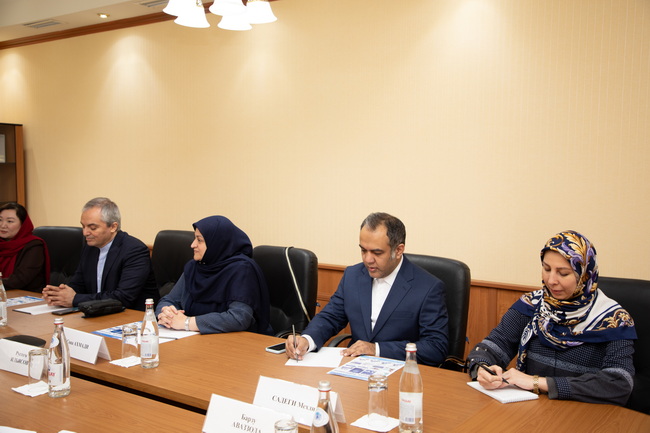
Meeting with the Delegation of the Islamic Republic of Iran
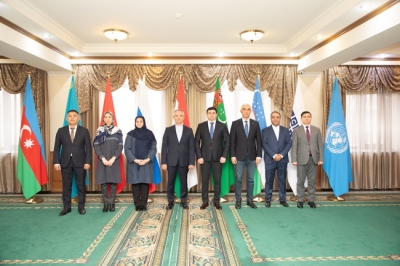
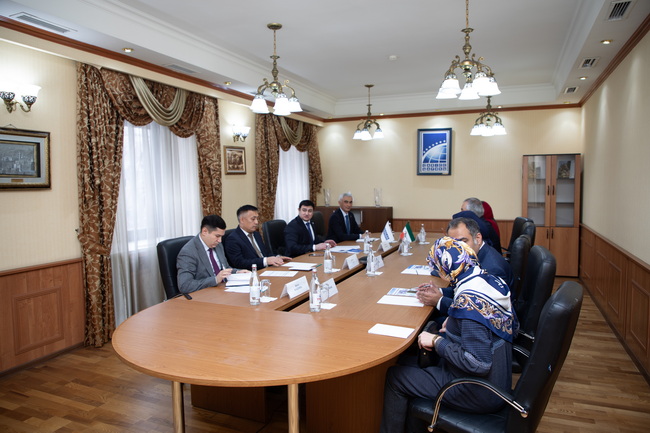
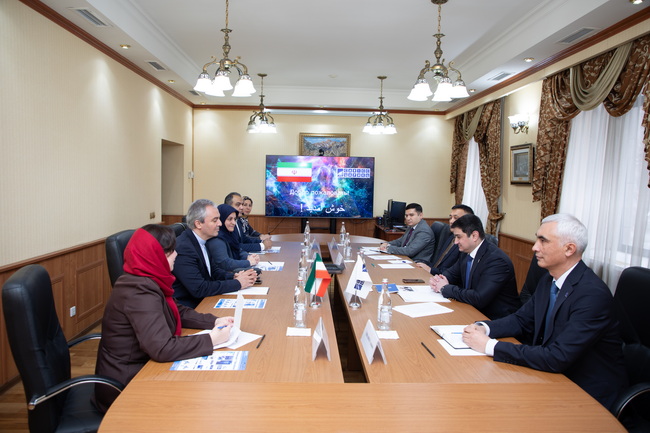
On 17 December 2025, a working meeting was held at the premises of the Central Asian Regional Information and Coordination Centre (CARICC) in Almaty between Mr. Makhmud Khamidov, Director of CARICC, and Mr. Amir Abbas Lotfi Sarabi, Director General Of the Department for Narcotic Drugs Affairs of the Ministry of Foreign Affairs of the Islamic Republic of Iran, as well as a delegation of the Consulate General of the Islamic Republic of Iran in Almaty, headed by Ms. Sona Ahmadi, Consul General.
During the meeting, the Director of CARICC briefed the Iranian side on the Centre’s ongoing initiatives and development plans aimed at enhancing the effectiveness of practical cooperation in countering illicit drug trafficking. Information was also shared on the outcomes of the Meeting of the Council of National Coordinators of CARICC Member States, held on 5 December 2025 in Samarkand, Republic of Uzbekistan, which addressed issues related to improving CARICC’s operational activities, strengthening its institutional capacity, and approving the CARICC Action Plan (“Roadmap”) for 2026.
The Iranian delegation expressed its readiness to further develop cooperation with CARICC in countering illicit drug trafficking and reaffirmed its interest in strengthening working contacts and coordinating efforts to combat transnational drug-related crime. The delegation emphasized Iran’s commitment to a balanced approach to addressing the drug threat, encompassing not only law enforcement measures but also treatment, rehabilitation and drug use prevention.
The Iranian side also expressed interest in regular participation in CARICC activities, including training courses and capacity-building programmes for law enforcement personnel.
At the conclusion of the meeting, it was noted that the Islamic Republic of Iran currently holds observer status with CARICC, and in this context, prospects for further cooperation were discussed, including the potential future membership of Iran in CARICC.
Image Gallery
-
 Click to open image!
Click to open image!
Click to open image!
-
Click to open image!
Click to open image!
-
Click to open image!
Click to open image!
https://www.caricc.org/index.php/en/news#sigProId35fc01b330
CARICC participated in a joint seminar organized by the SRPFR/EAG/CIS ATC on countering terrorist financing
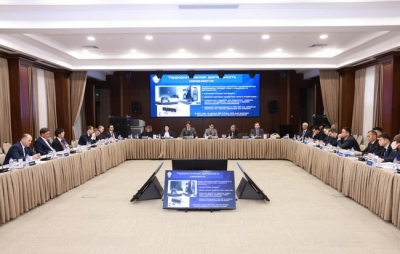
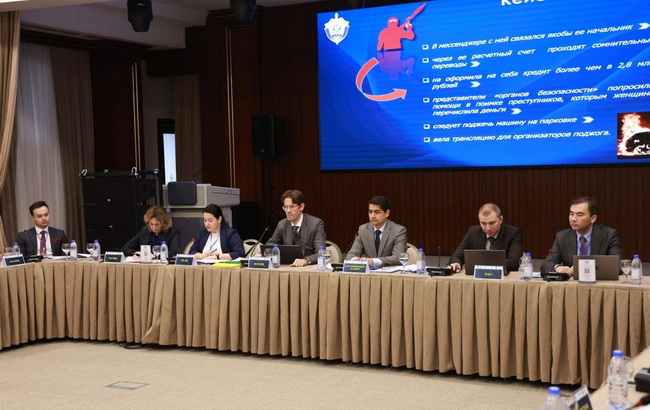
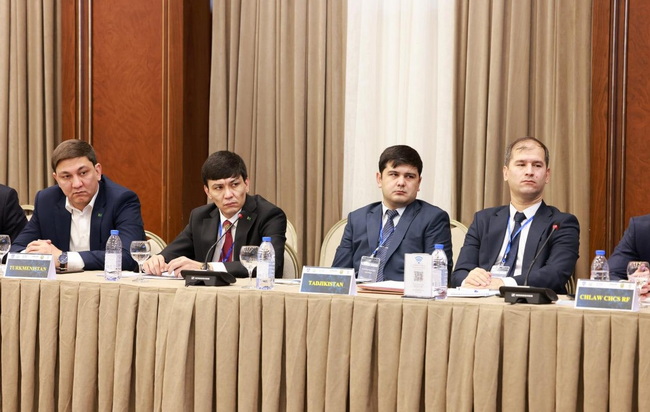
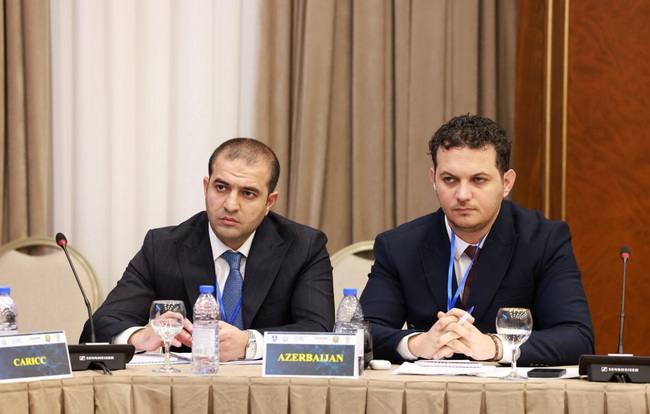
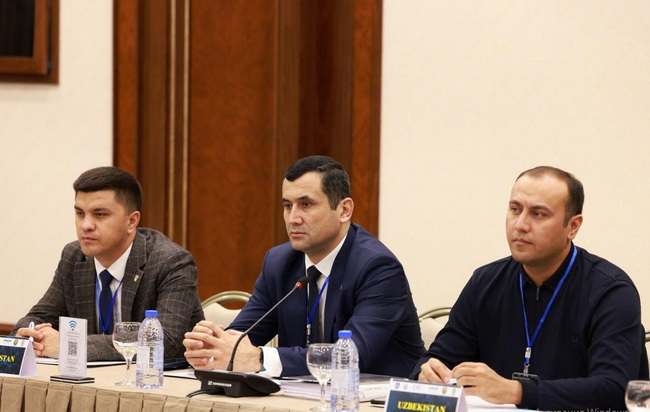
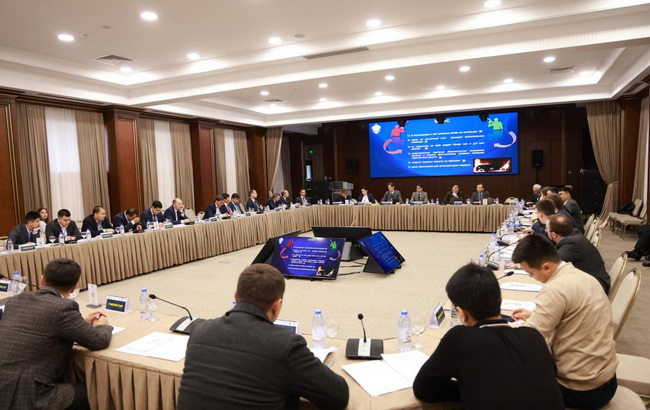
A joint seminar of the Secretariat of the Council of Heads of Financial Intelligence Units of the CIS Member States (SRPFR), the Eurasian Group on Combating Money Laundering and Financing of Terrorism (EAG), and the CIS Anti-Terrorism Center (CIS ATC) on the topic: “Strengthening cooperation between financial intelligence units and law enforcement agencies in the field of countering terrorist financing” was held in Tashkent on 10-11 December 2025.
The event brought together representatives of competent authorities of Azerbaijan, Belarus, Kazakhstan, Kyrgyzstan, Russia, Tajikistan, Turkmenistan, Uzbekistan, and experts from the Executive Committee of the SCO RATS, the EAG Secretariat, and the CIS ATC.
The seminar was held at the Law Enforcement Academy of the Republic of Uzbekistan.
Participants discussed interagency cooperation, refining legislation on virtual asset transactions, and shared practical experiences in preventing terrorists from using cryptocurrencies.
Mr. Azizbek Erkaboev, Advisor/Head of the Information and Analytical Unit at CARICC, attended the event and delivered a presentation in line with the theme and current regional situation, including contemporary threats related to drug trafficking and terrorist financing.
Participation in the seminar strengthened CARICC cooperation with relevant national and international agencies, enabled exchange of best practices, and provided an opportunity to discuss effective mechanisms for countering financial flows linked to terrorism and drug crime.
Image Gallery
-
Click to open image!
Click to open image!
-
Click to open image!
Click to open image!
-
Click to open image!
Click to open image!
-
Click to open image!
Click to open image!
-
Click to open image!
Click to open image!
https://www.caricc.org/index.php/en/news#sigProIdcc70e2234b
Meeting with delegation from Afghanistan
Director of the Centre met with a delegation from Afghanistan led by Deputy Minister of Interior Abdul Rahman Munir on 6 December 2025 in Samarkand on the sidelines of expanded meeting of the Council of National Coordinators of CARICC Member States.
During the meeting parties exchanged views on trends in emerging drug situation in the region and explored prospects for further cooperation in countering illicit drug trafficking.
Expanded meeting of the Council of National Coordinators of CARICC Member States resulted in the adoption of Joint Declaration
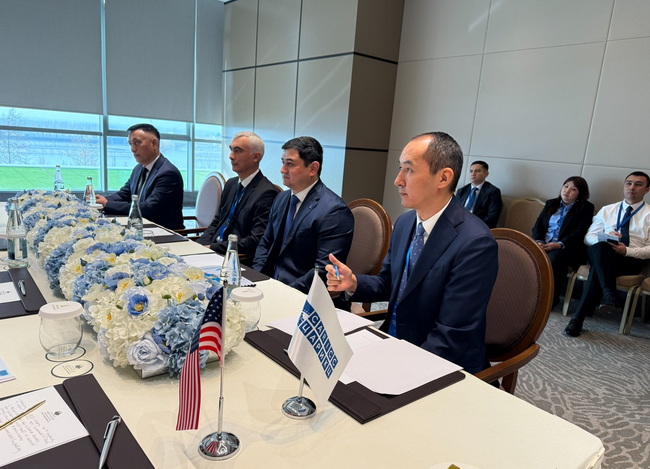
Meeting with US delegation within the framework of the Council of National Coordinators of CARICC Member States
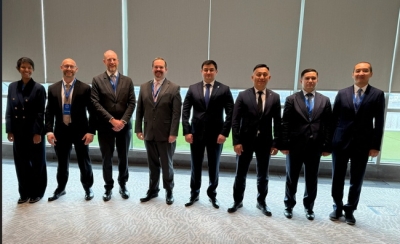
A meeting of the Centre's leadership with representatives of the Bureau of International Narcotics and Law Enforcement Affairs (INL) at the US embassies in Tashkent, Dushanbe, and Bishkek, and staff from the US Department of Justice Drug Enforcement Administration (DEA) offices was held in Samarkand on 5 December 2025 as part of the meeting of the Council of National Coordinators of CARICC Member States.
During the talks parties discussed important topics related to further development of cooperation in the field of information exchange, coordination of international counter-narcotics operations, and expansion of capabilities to combat transnational organized drug crime. Particular attention was paid to new challenges and threats associated with illicit drug trafficking.
CARICC Director presented information on current drug situation in the Centre's participating countries, including Central Asian states, and offered proposals for strengthening joint efforts. CARICC plans for the near future were outlined, focusing on improving the Centre's practical activities and expanding cooperation with the US in the field of drug control.
US representatives expressed readiness to continue supporting development of CARICC, including organizational assistance, support for joint counter-narcotics measures, and strengthening the Centre's information and analytical capabilities.
Image Gallery

https://www.caricc.org/index.php/en/news#sigProIdfcd187df32
Meeting of the Council of National Coordinators of CARICC Member States in expanded format
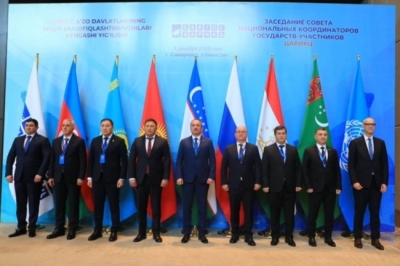
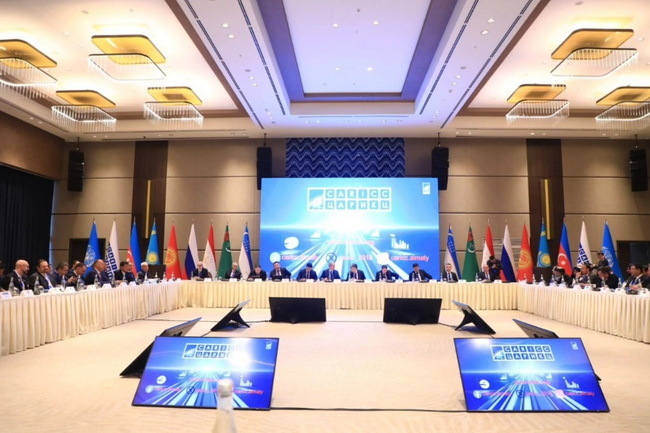
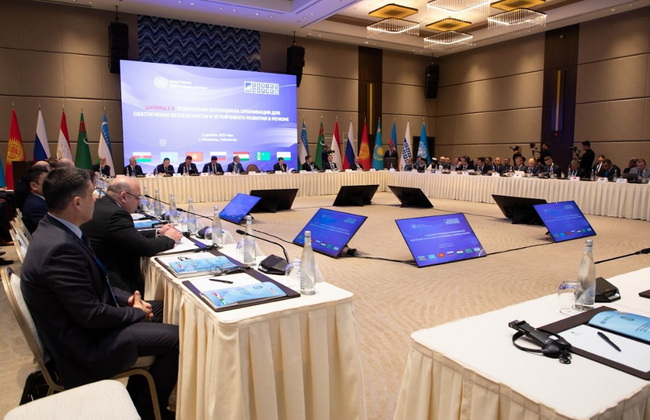
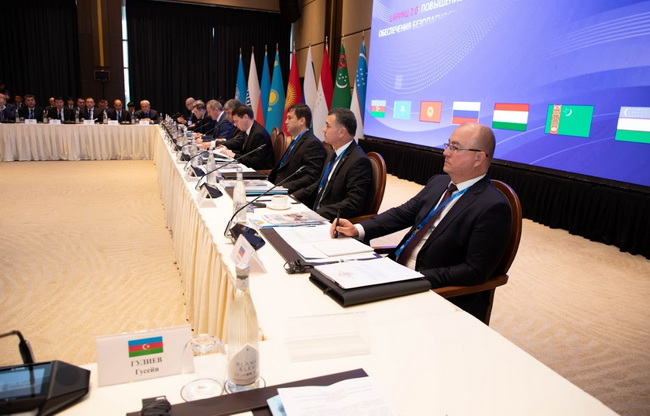
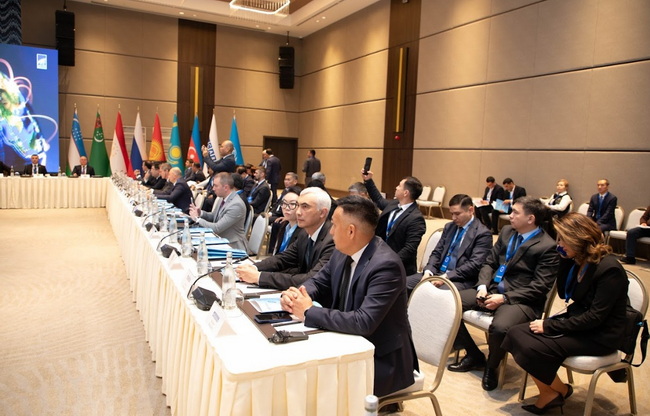
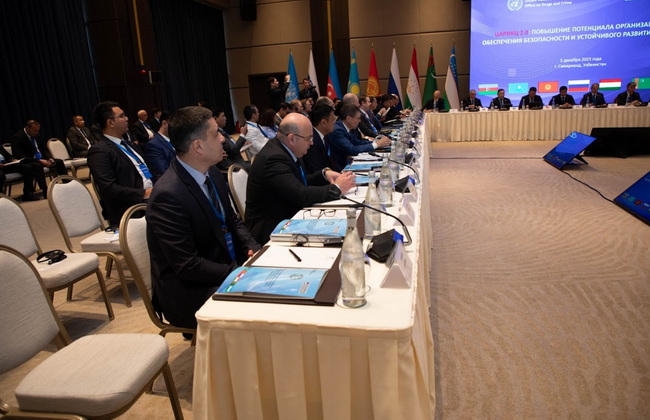
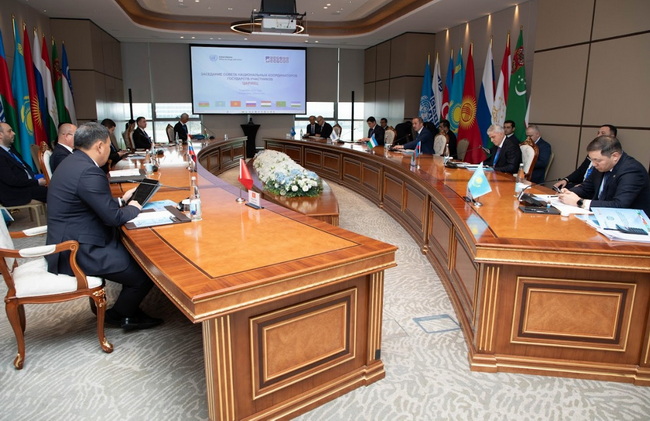
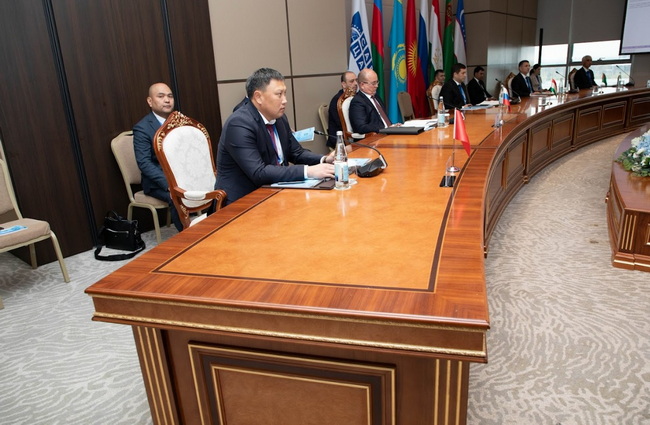
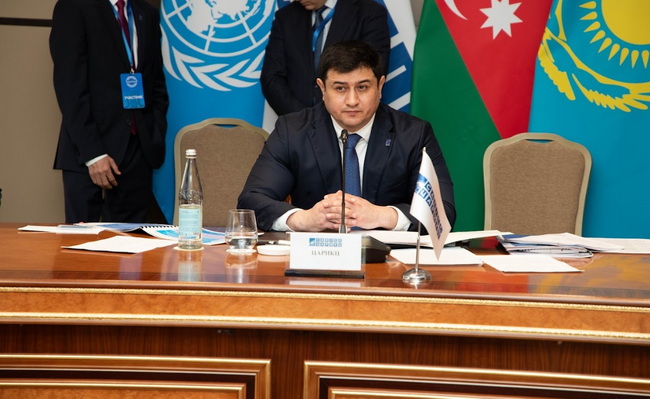
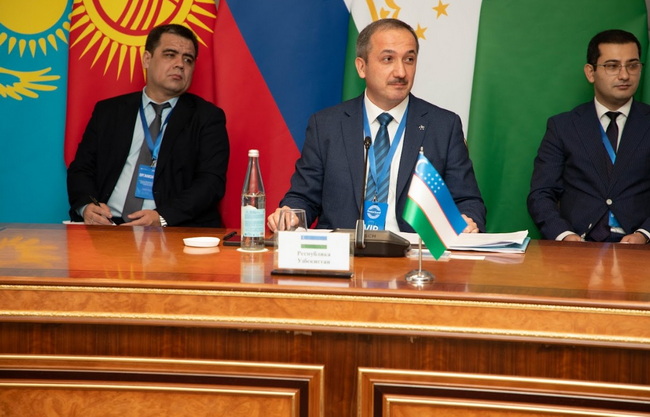
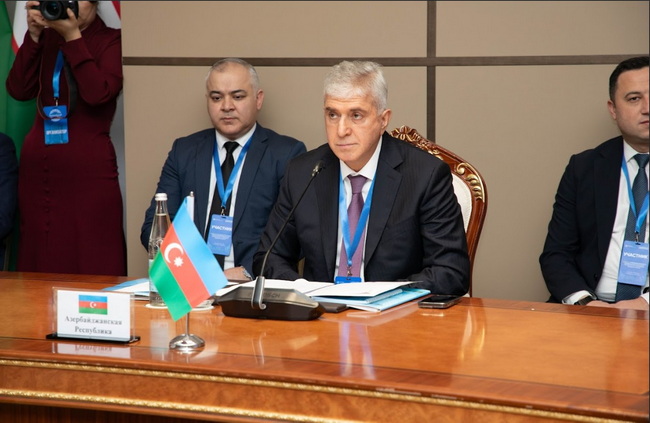
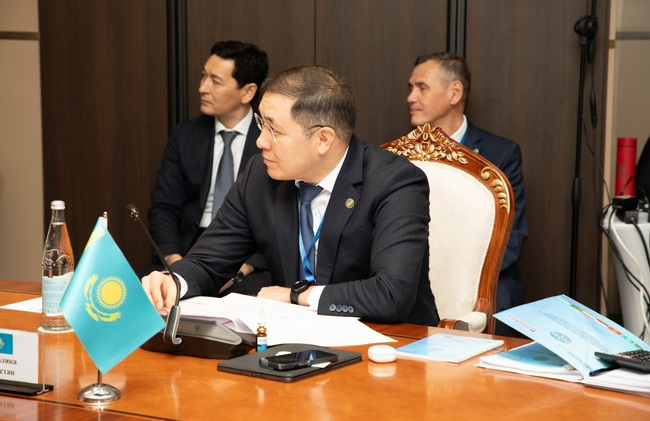
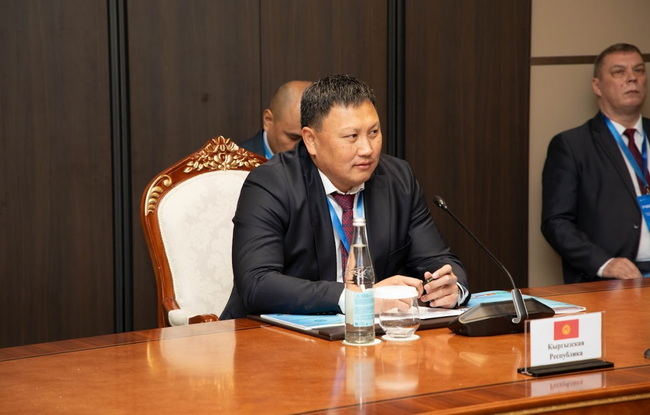
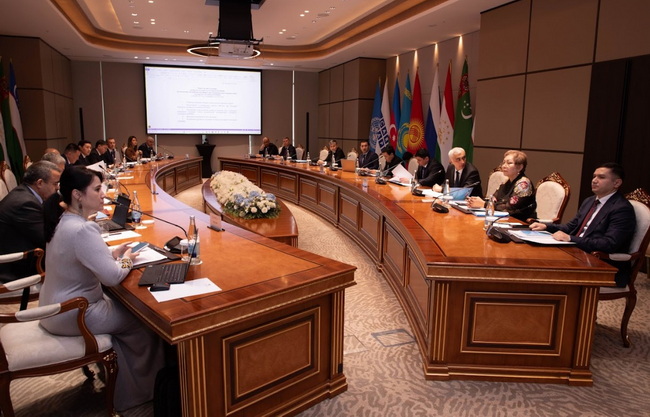
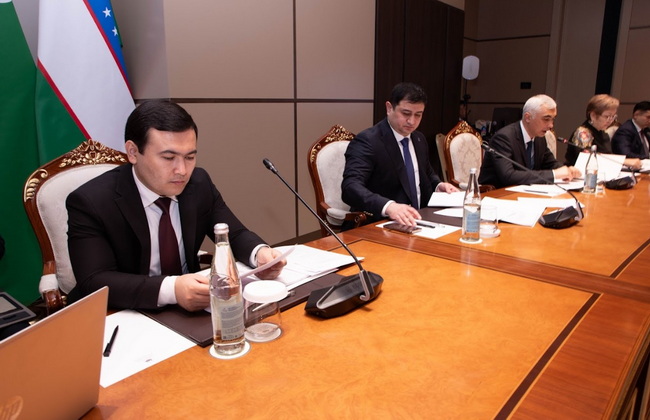
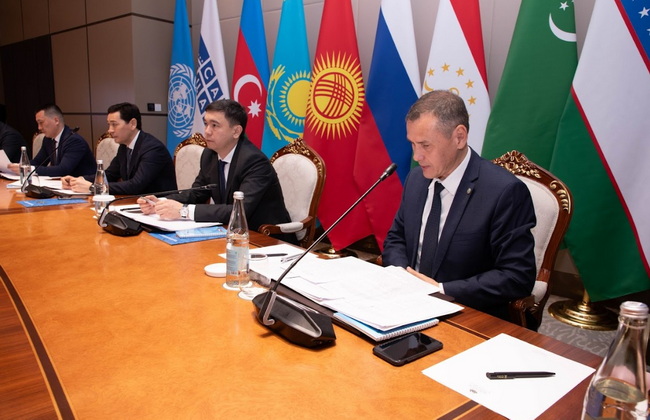
A regular meeting of the Council of National Coordinators (CNC) of Member States of the Central Asian Regional Information and Coordination Centre for Combating Illicit Trafficking of Narcotic Drugs, Psychotropic Substances and their Precursors (CARICC) was held in Samarkand on 5 December 2025 under the chairmanship of the Republic of Uzbekistan.
The event was held under the aegis of “CARICC 2.0: Enhancing the Organization’s Capacity to Ensure Security and Sustainable Development in the Region”.
The meeting was held in an expanded and small format.
The expanded session involved representatives of international organizations (SCO, OSCE, CSTO, CICA, EAG, GCC-CIC), diplomatic corps and foreign media accredited in Uzbekistan, members of law enforcement agencies of Central Asian countries, USA, Germany, Belarus, Iran and other states.
At the opening of the event, Deputy Secretary of the Security Council of Uzbekistan Bakhodir Tashmatov reported a sharp increase in drug crime in the region. Over the past five years the number of drug-related crimes in Central Asia has increased by 83%, smuggling by 55%, and the volume of seized substances by 52%. Illicit trafficking in synthetic drugs, particularly methamphetamine, has increased by 62%. In his speech the Deputy Secretary of the Security Council of Uzbekistan called on the countries of the region to strengthen operational cooperation and expand joint operations against drug trafficking.
CARICC Director and participants presented information on current drug situation in Central Asian countries and proposals for enhancing joint efforts. Presentations were also made by representatives of the United Nations Office on Drugs and Crime (UNODC), the US Department of State Bureau of International Narcotics and Law Enforcement Affairs (INL), the Embassy of Afghanistan in Uzbekistan, and the Institute for Strategic and Interregional Studies under the President of the Republic of Uzbekistan. Additionally, the meeting featured a presentation of the National Program to Combat Drug Abuse and Drug Crime in Uzbekistan for 2025-2026.
The meeting concluded with the adoption of Joint Declaration (communiqué) aimed at consolidating efforts of Central Asian states and partners in countering contemporary challenges related to illicit trafficking of narcotic drugs, psychotropic substances, and precursors.
The small meeting brought together CNC leaders and experts. They discussed ways to improve CARICC work and boost its institutional capacity, approve Action Plan (Roadmap) for 2026, set CARICC budget, and other ideas to boost cooperation within the framework of the organization.
Image Gallery
-
Click to open image!
Click to open image!
-
Click to open image!
Click to open image!
-
Click to open image!
Click to open image!
-
Click to open image!
Click to open image!
-
Click to open image!
Click to open image!
-
Click to open image!
Click to open image!
-
Click to open image!
Click to open image!
-
Click to open image!
Click to open image!
-
Click to open image!
Click to open image!
-
Click to open image!
Click to open image!
-
Click to open image!
Click to open image!
-
Click to open image!
Click to open image!
-
Click to open image!
Click to open image!
-
Click to open image!
Click to open image!
-
Click to open image!
Click to open image!
https://www.caricc.org/index.php/en/news#sigProIdd775b74f44
Meeting of experts of CARICC Member States held in Samarkand
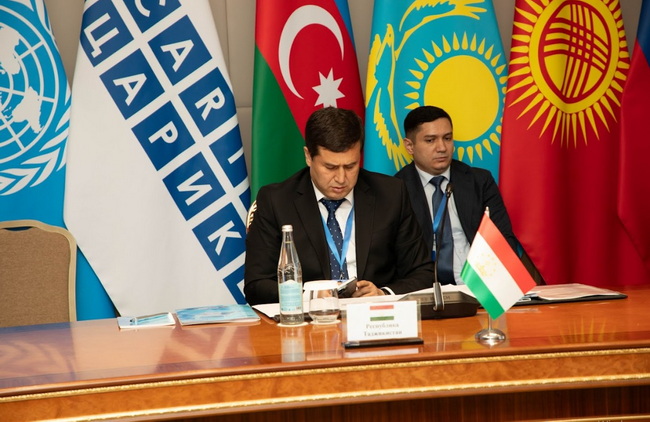
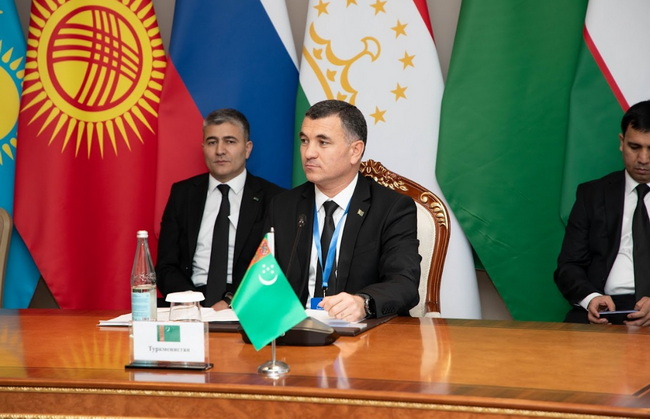
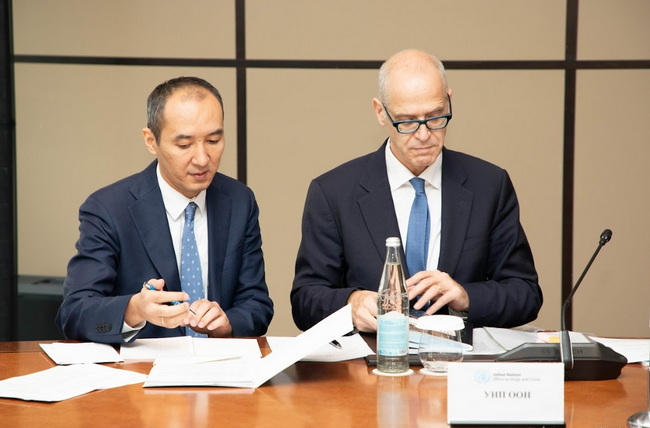
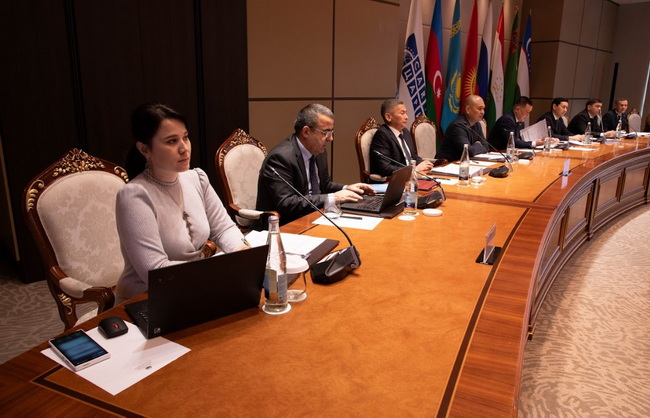
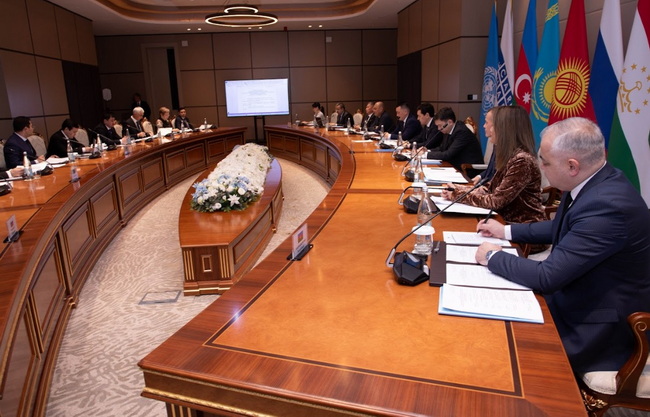
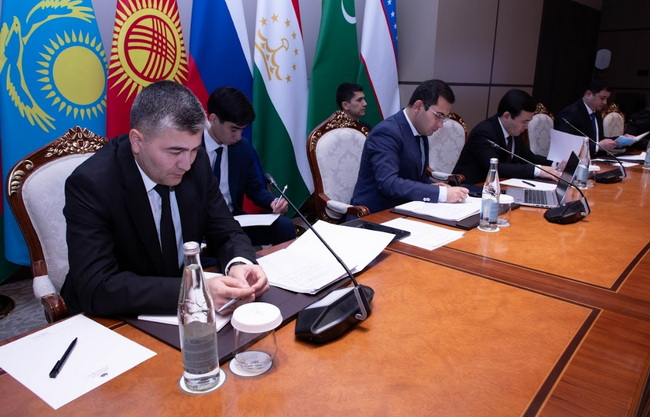
A regular meeting of experts of Member States of the Central Asian Regional Information and Coordination Centre for Combating Illicit Trafficking of Narcotic Drugs, Psychotropic Substances and their Precursors (CARICC) was held in-person in Samarkand (Republic of Uzbekistan) on 4 December 2025.
Representatives from the Republic of Azerbaijan, the Republic of Kazakhstan, the Kyrgyz Republic, the Russian Federation, the Republic of Tajikistan, Turkmenistan, the Republic of Uzbekistan, staff of CARICC and the United Nations Office on Drugs and Crime participated in the event.
During discussions experts from participating countries approved agenda and program for the meeting, agreed on and recommended for consideration at the meeting of the Council of National Coordinators (CNC) drafts of agenda, program, minutes and decisions for the upcoming CNC meeting.
A separate item on the agenda was Kazakhstan's proposal to permanently assign one of deputy director positions at CARICC to the Republic of Kazakhstan. Participants noted that a consensus approach was required and suggested that Kazakhstan, together with CARICC, refine the proposal by preparing draft amendments to the Centre's Regulations, which form part of the Agreement on the Establishment of CARICC, and forward the updated documents to the participating countries for further examination.
Parties also reached agreement on draft Joint Declaration, scheduled to be adopted following extended meeting of the CNC of CARICC Member States on 5 December 2025 in Samarkand.
Image Gallery
-
Click to open image!
Click to open image!
-
Click to open image!
Click to open image!
-
Click to open image!
Click to open image!
-
Click to open image!
Click to open image!
-
Click to open image!
Click to open image!
-
Click to open image!
Click to open image!
https://www.caricc.org/index.php/en/news#sigProId1551dd6dba
Meeting with the Officer-in-Charge of the United Nations Assistance Mission in Afghanistan
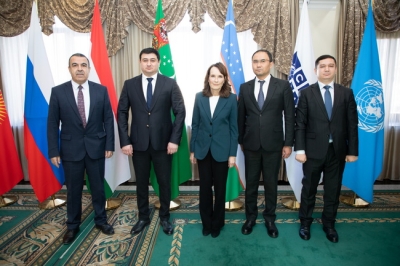
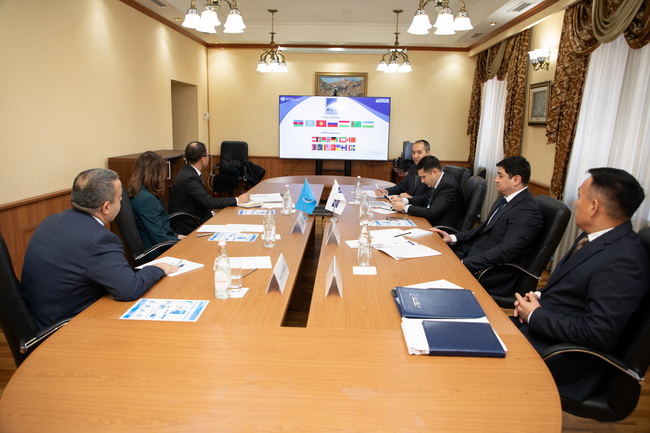
CARICC Director Mr. Makhmud Khamidov met with Ms. Georgette Gagnon, Deputy Special Representative of the Secretary-General and Officer-in-Charge of the United Nations Assistance Mission in Afghanistan (UNAMA), and Mr. Yusuf Kurbonov, UNODC International Programme Coordinator, in Almaty on 27 November 2025.
During the meeting CARICC Director informed participants about mandate, objectives and main activities of the Centre, and briefed on current initiatives and development plans aimed at enhancing effectiveness of practical work in combating drug trafficking.
The Centre's staff then gave the distinguished delegation a detailed and informative presentation on the Centre's efforts and current drug situation in CARICC member states.
Ongoing plan of CARICC and the UNODC Regional Office for development and implementation of pilot phase of regional early warning systems (EWS) for synthetic drugs and NPS in Central Asia was also presented.
The UN delegation expressed high appreciation for initiatives presented by the Centre. Proposals were also made for CARICC participation in technical initiatives of the Counter-Narcotics Working Group under the Doha Process, including involvement in activities conducted by small group on law enforcement.
The meeting took place in a friendly atmosphere and in the spirit of constructive dialogue, demonstrating high level of interest of the parties in further deepening practical cooperation within the framework of joint projects to combat drug crime.
Image Gallery

https://www.caricc.org/index.php/en/news#sigProIdd82579191e
More...
Meeting at the Ministry of Internal Affairs of the Russian Federation
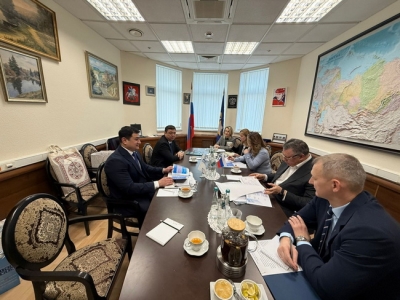
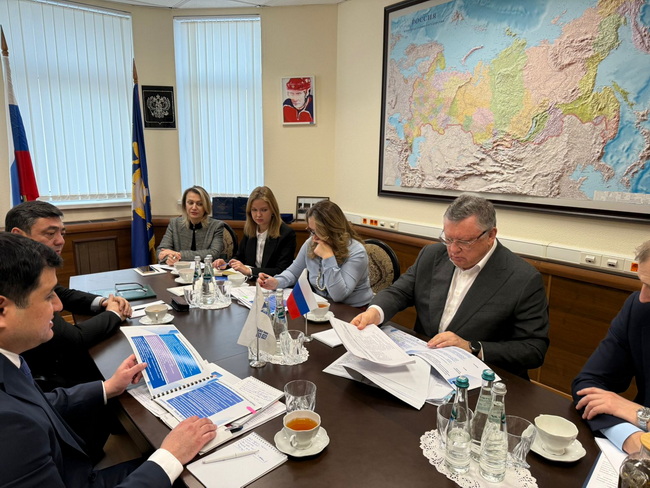
CARICC delegation met with representatives of the Ministry of Internal Affairs of the Russian Federation led by State Secretary - Deputy Minister Mr. Igor Zubov, and the Ministry of Foreign Affairs of the Russian Federation led by Ms. Maria Visloguzova, Department on Emerging Challenges and Threats of the Ministry of Foreign Affairs, at the premises of the Ministry of Internal Affairs of the Russian Federation on 20 November 2025.
Parties exchanged views on current drug situation in the world and in the region.
In addition, CARICC presented a number of initiatives aimed at further improving the Centre's efficiency, including improving its organizational structure and developing new areas of activity to counter cyber threats and the spread of synthetic drugs.
Leadership of the Ministry of Internal Affairs and the Ministry of Foreign Affairs of the Russian Federation reaffirmed their support for CARICC initiatives.
Parties also discussed practical cooperation in a number of priority areas and confirmed their mutual commitment to further strengthening cooperation between CARICC and the Ministry of Internal Affairs and the Ministry of Foreign Affairs of the Russian Federation.
Image Gallery
https://www.caricc.org/index.php/en/news#sigProId378375e4ec
Participation in a seminar on social reuse of confiscated criminal material and virtual assets
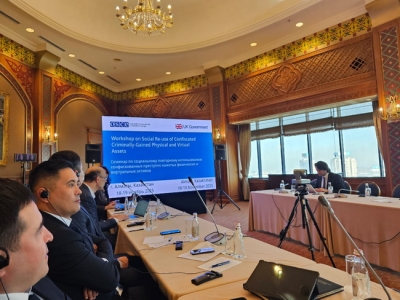
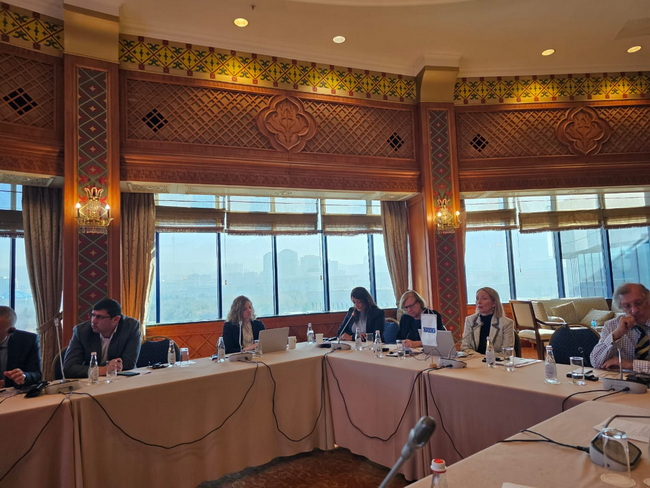
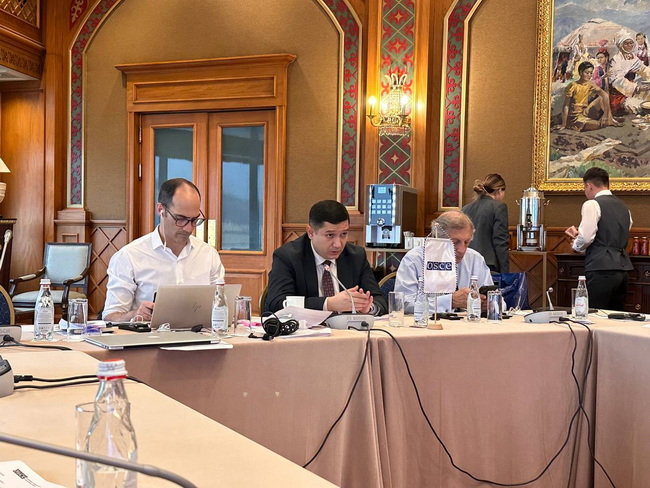
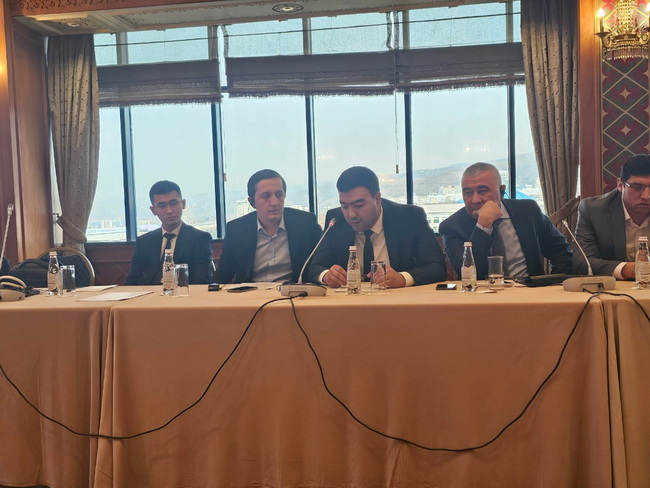
CARICC expert participated in a seminar on social reuse of confiscated criminal material and virtual assets in Almaty on 18-19 November 2025. The event was organized by the OSCE Secretariat.
Representatives of law enforcement agencies from Kazakhstan, Kyrgyzstan, Uzbekistan, and international experts attended the seminar.
Presentations were made by experts from the Financial Action Task Force (FATF), the Eurasian Group on Combating Money Laundering and Financing of Terrorism (EAG), and experts on the Asset Recovery Incentive Scheme (ARIS).
CARICC expert reported on main activities of the Centre, development prospects, current drug situation in participating countries, and results of work in the field of combating transnational drug crime.
The seminar proved its high relevance and practical significance, contributing to professional development of law enforcement officers who participated in the event.
Based on results of discussions participants developed relevant recommendations.
Image Gallery
-
Click to open image!
Click to open image!
-
Click to open image!
Click to open image!
-
Click to open image!
Click to open image!
https://www.caricc.org/index.php/en/news#sigProId5a931c0803
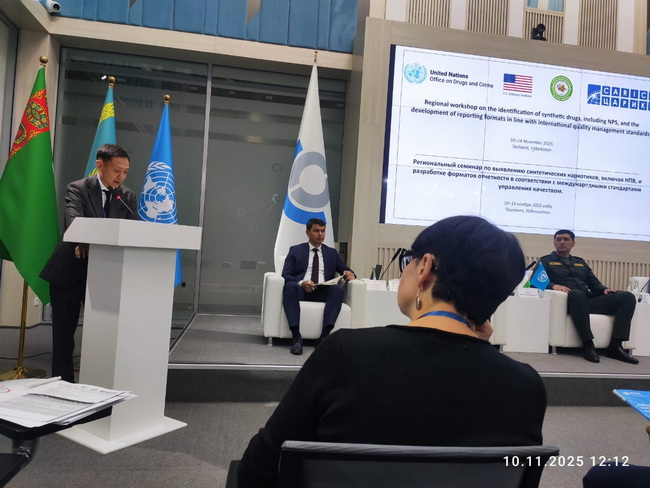
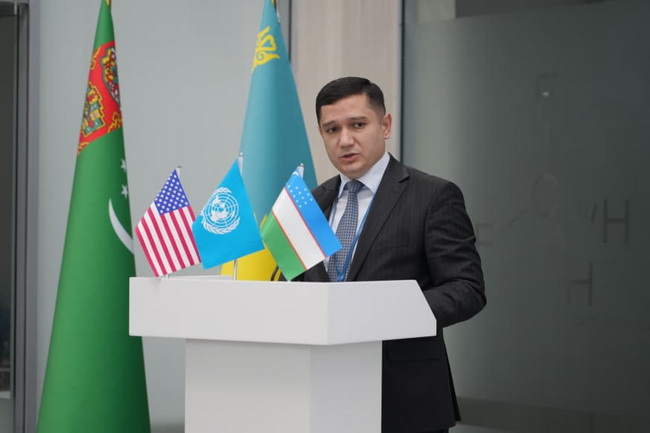
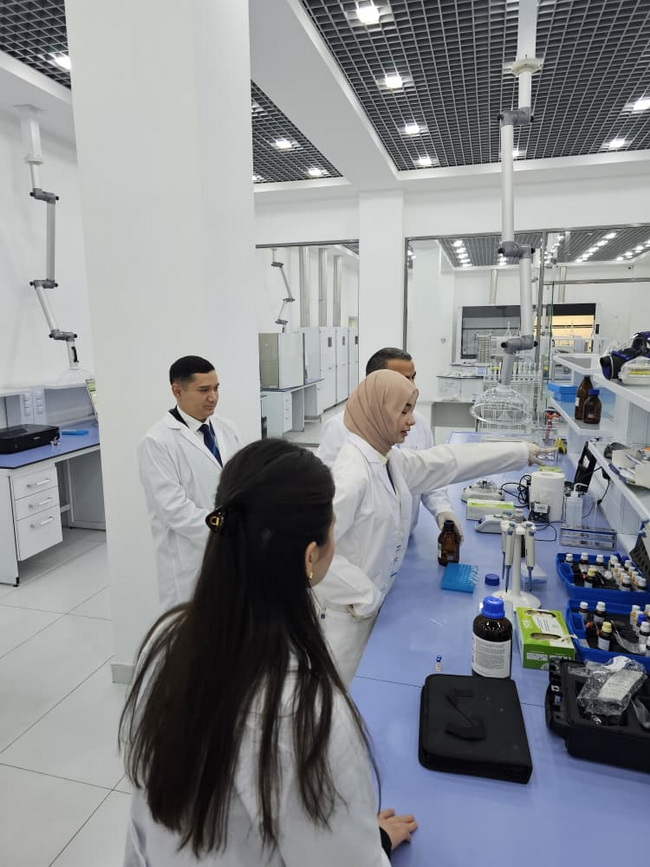
CARICC and UNODC held a regional workshop on detecting synthetic drugs
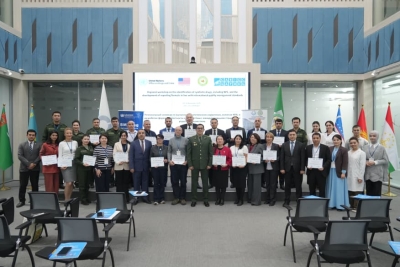
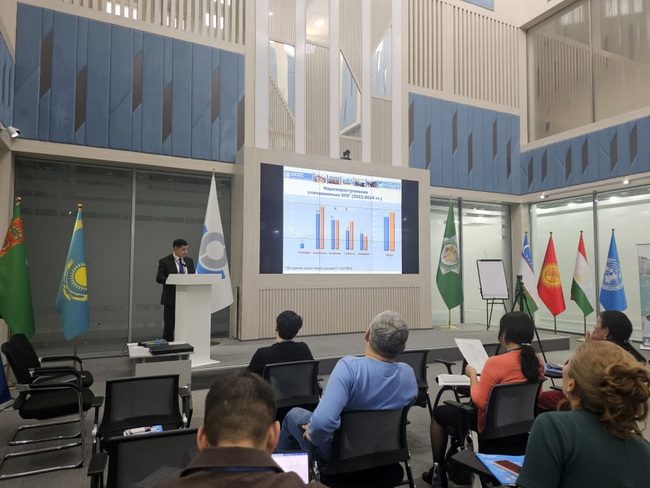
Customs Committee of the Republic of Uzbekistan hosted a hybrid Regional Workshop on Identification of Synthetic Drugs, including NPS, and Development of Reporting Formats in Line with International Quality Management Standards between 10 and 14 November 2025.
The event brought together representatives of law enforcement agencies, ministries of health and justice, and forensic experts from Kazakhstan, Kyrgyzstan, Tajikistan, Turkmenistan, Uzbekistan, and international experts.
The seminar was organized jointly with the United Nations Office on Drugs and Crime Regional Office for Afghanistan, Central Asia, Iran, and Pakistan, with financial support from the US State Department Bureau of International Narcotics and Law Enforcement Affairs.
Increased detection of clandestine laboratories manufacturing synthetic and other drugs in CARICC member states indicates growing synthetic drug production in the region.
In this connection, CARICC and the UNODC Regional Office are exploring the possibility of introducing early warning systems (EWS) that will facilitate information exchange between competent authorities on new types of drugs, enable timely assessment of risks to public health, and develop adequate measures to respond to this threat.
The event concluded with participants developing relevant recommendations for implementation of early warning systems (EWS).
Image Gallery
-
Click to open image!
Click to open image!
-
Click to open image!
Click to open image!
-
Click to open image!
Click to open image!
-
Click to open image!
Click to open image!
https://www.caricc.org/index.php/en/news#sigProId89fa26b33e
Meeting at the State Customs Committee of the Republic of Azerbaijan
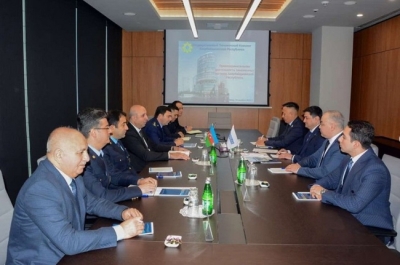
During his visit to Baku on 14 November 2025 CARICC Director Colonel Makhmud Khamidov met with Deputy Chairman of the State Customs Committee of the Republic of Azerbaijan Major General of Customs Service Guloglan Muradli.
During the talks CARICC Director outlined several proposals designed to boost the Centre's performance, including upgrading its organizational structure and developing new activities to counter cyber threats and the spread of synthetic drugs.
The State Customs Committee leadership expressed high praise for the Centre's activities in coordinating counter-narcotics operations at the international level. It reaffirmed its readiness to support CARICC initiatives.
The parties also discussed practical cooperation on a number of priority areas and confirmed their mutual interest in further strengthening cooperation between CARICC and the State Customs Committee of the Republic of Azerbaijan, and in expanding cooperation with the Regional Office for Capacity Building for the World Customs Organization located in Baku.