
Regional seminar on effective methods for reporting synthetic drugs, including new psychoactive substances (NPS)
29 March 2026, 13:23 | 71
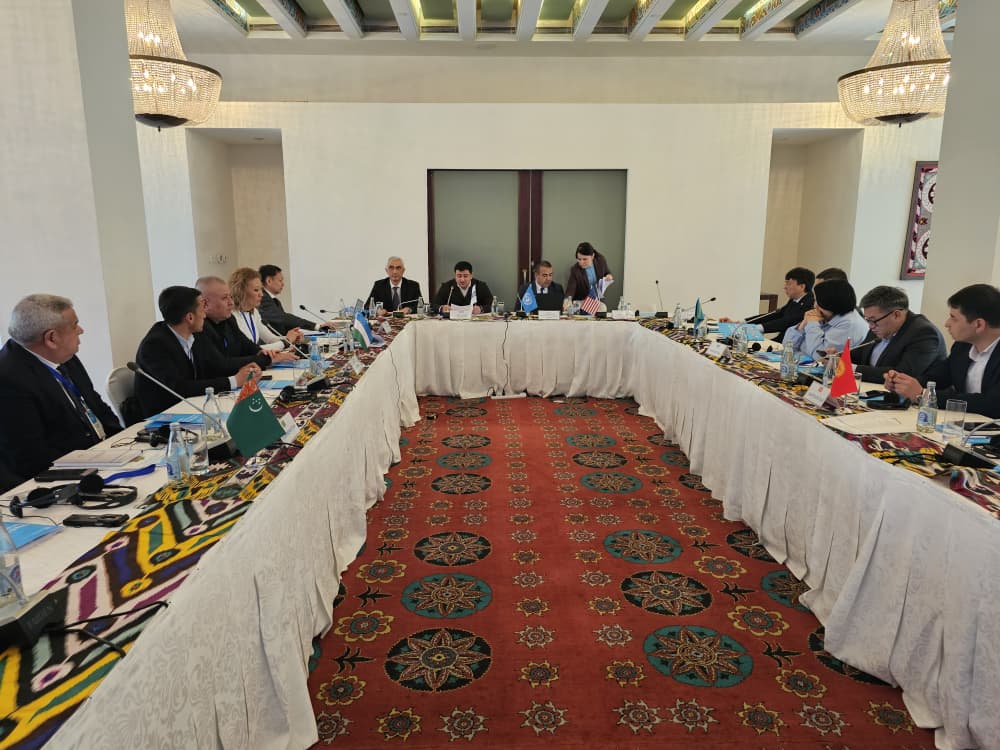
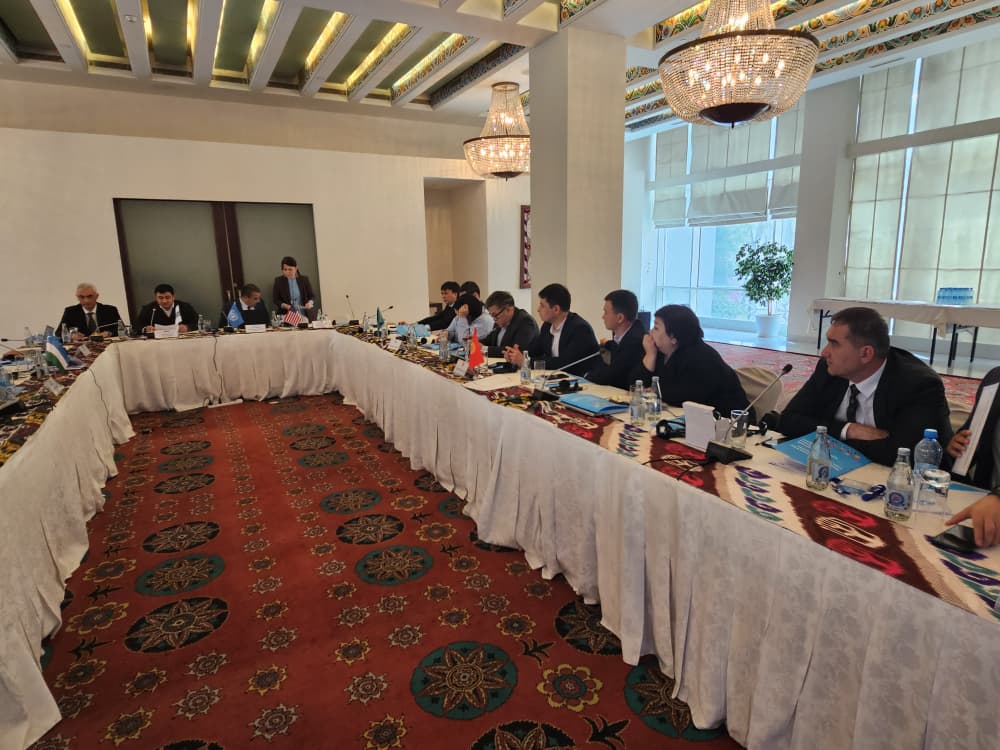
A regional workshop on effective methods for reporting synthetic drugs, including new psychoactive substances (NPS), was held in Dushanbe (Republic of Tajikistan) from 25 to 27 March 2026 for law enforcement staff from Central Asian countries.
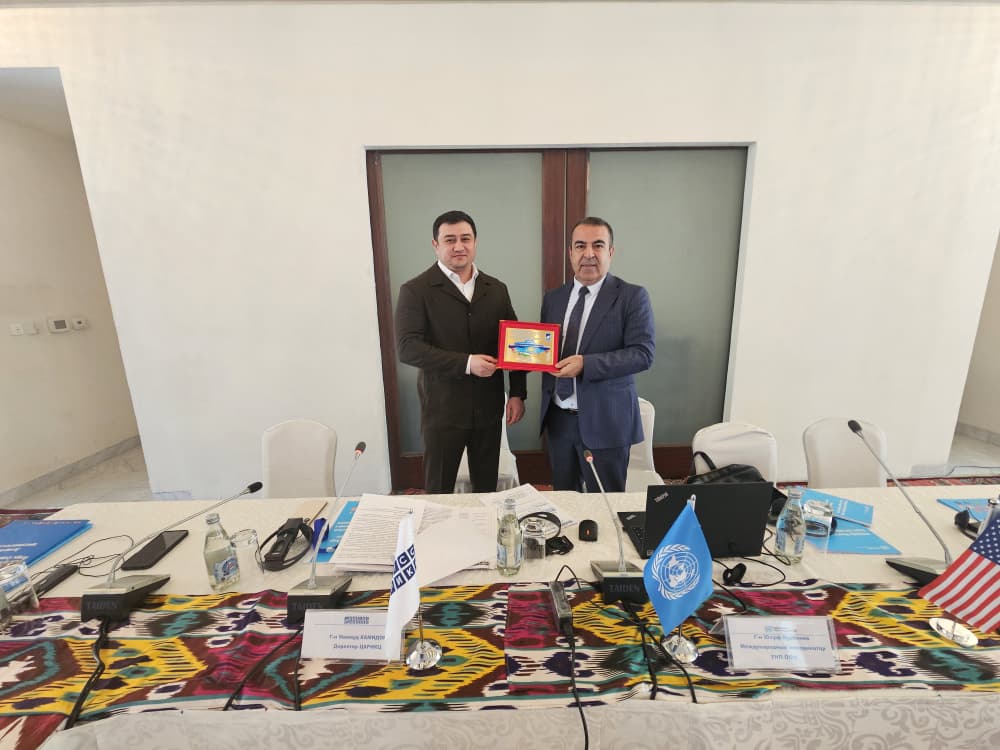
The event was organized with participation of the United Nations Office on Drugs and Crime (UNODC) Regional Office in partnership with CARICC and with financial support from the U.S. Department of State Bureau of International Narcotics and Law Enforcement Affairs (INL), as part of a pilot project to introduce early warning systems for new psychoactive substances.
Representatives of law enforcement agencies, relevant government agencies, expert and academic communities of Central Asian countries participated in the seminar.
During it participants went over current drug situation in the region as assessed by CARICC, with a particular focus on the spread of synthetic drugs and new psychoactive substances (NPS), including the need to develop early warning systems. Special attention was given to results of national assessment missions conducted by UNODC and CARICC, which reflect degree of readiness of the region’s states to introduce relevant systems.
Thematic sessions provided an opportunity to discuss standard procedures for data collection, processing, and exchange, including inter-agency cooperation and cross-border information sharing. Practical sessions included interactive workshops focused on integrating laboratory and clinical data, joint analysis of specific case studies, and development of practical recommendations and lessons learned.
Particular attention was paid to design and structure of national platform/database on NPS, including definition of its architecture, key data fields, and access levels. Discussion also covered data exchange protocols, including fast-track procedures for transmitting critical information in the event of cross-border threats.
Following the workshop participants finalized a draft of a national platform/database on early warning systems and agreed on main approaches to its deployment. In addition, a draft of preliminary recommendations for national early warning systems was prepared, aimed at improving efficiency of information collection, analysis, and exchange in the region.
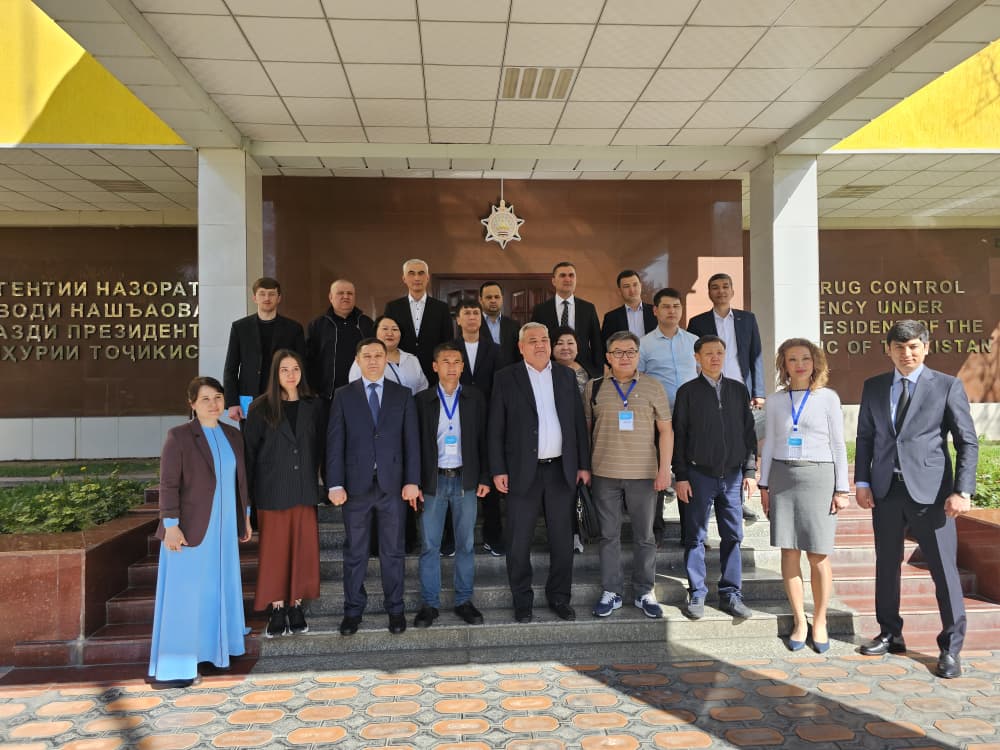
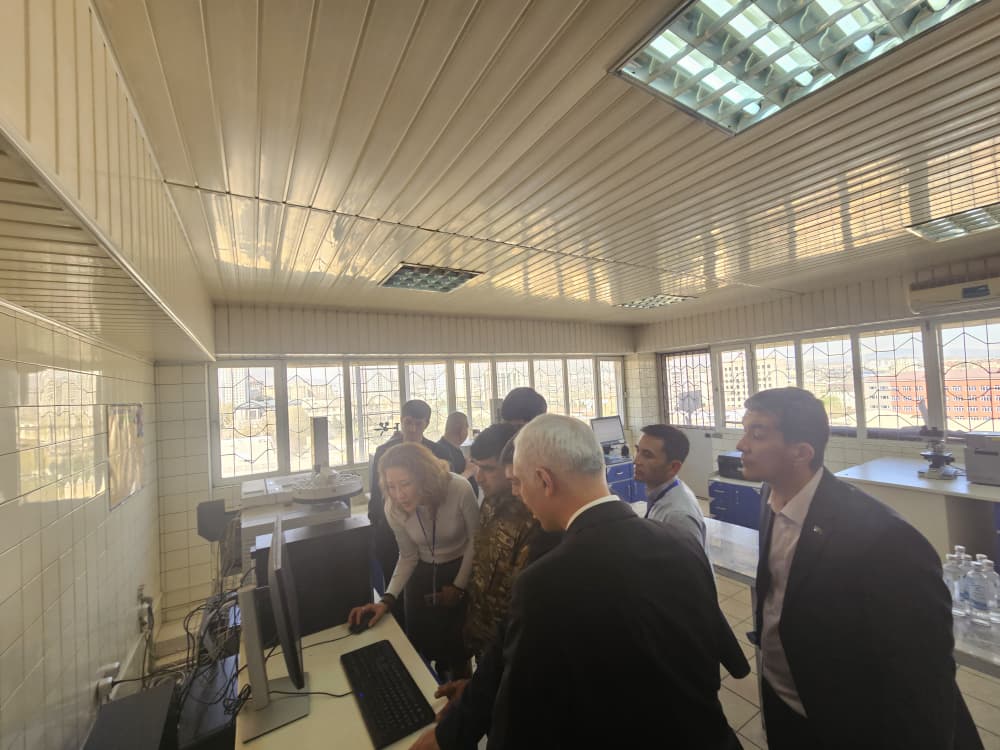
Seminar program featured an introductory visit to a specialized laboratory of the Drug Control Agency under the President of the Republic of Tajikistan, where participants learned about analytical infrastructure and modern methods for identifying new psychoactive substances.
Seminar marked an important step toward strengthening regional cooperation, developing early warning systems, and enhancing effectiveness of joint efforts by Central Asian states to combat illicit trafficking of synthetic drugs and new psychoactive substances.
At the end of the event, the participants were awarded certificates.
Photo Gallery